C Installation vs. AC Replacement: What’s the Difference?
AC Installation vs. AC Replacement: What’s the Difference? BrandRep 2:45 pm no comments…
Home and small-business owners often struggle to decide whether to install a new cooling system or replace an aging one. The decision affects comfort, efficiency, and long-term costs year-round. Many people hesitate because the options seem similar, yet they serve very different needs. Daily routines feel disrupted when cooling issues rise, so clarity helps owners make steady progress. A clear explanation empowers people to choose the path that fits their property with confidence.
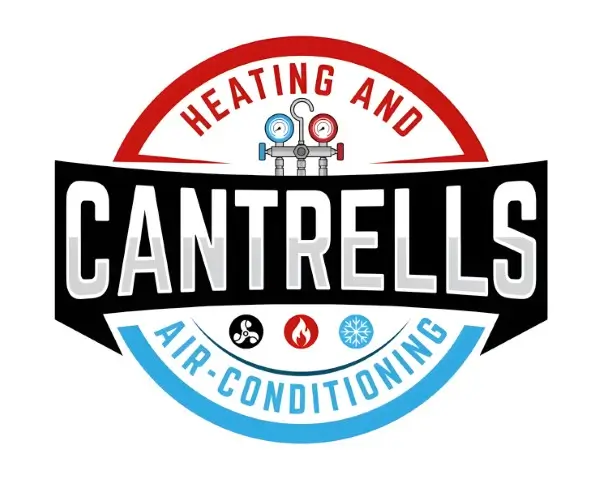
AC installation creates a cooling system where none exists, and it builds every part from the ground up. The process starts with sizing the unit to match the home or business. Technicians install equipment, wiring, and airflow paths that support clean, balanced cooling. A complete setup helps owners achieve smooth, dependable operation and comfort.
A complete AC Installation starts with a load calculation that determines the property’s cooling needs, preventing oversized or undersized units. The technician selects the equipment type and sets the condenser and air handler in proper locations. Refrigerant lines and electrical connections go in next to support stable operation. The team tests the system to confirm strong airflow and correct temperatures. Any necessary adjustments are made before the final walkthrough with the owner. This whole process creates a system that fits the structure and daily use patterns.
A new AC setup is ideal for homes or businesses that have never had central cooling, and it often works well for new construction. Owners who remodel older spaces may also need a complete setup when old ducts cannot support cooling needs. Properties that move from window units to central air benefit from a cleaner, quieter system. Growing families or expanding offices often add cooling zones during installation. A fresh installation also suits buildings that need improved airflow patterns. This service delivers a smooth start with modern equipment and improved comfort.
A new system offers clean ductwork, updated wiring, and strong airflow without the old restrictions, reducing strain on the unit. Modern equipment brings better humidity management and lower energy use. Property owners enjoy quieter operation with fewer mechanical issues. Technicians design the system around the building layout for even cooling. Owners experience fewer repair visits during peak seasons. This fresh start often leads to steady comfort and smoother daily operation.
AC replacement swaps an outdated system with a new one that fits current lines and ducts. The process begins when an older unit struggles to cool or requires frequent repairs. Replacement improves efficiency and reduces energy waste with updated technology. Owners choose this option when the current unit no longer supports the property’s comfort needs.
Technicians begin a replacement by shutting off power and removing the aging system, which helps prevent damage to surrounding parts. They inspect ducts, wiring, and drain lines for wear that may affect the new unit. The new condenser and air handler are installed in the exact locations to maintain compatibility. The system is connected, charged, and tested for correct cooling output. Any issues get fixed during final tuning. This process updates older spaces with modern cooling power.
Rising energy bills suggest the old unit is straining to cool, which increases costs. Loud noises hint at worn motors or loose parts. Warm spots and humidity spikes signal weak airflow or failing coils. Frequent service calls show that repairs no longer hold. Older thermostats may struggle with cycle control. These signs point toward a system that needs replacement to restore reliable cooling.
Older systems take longer to reach set temperatures and run harder, which increases monthly costs. Worn components also produce uneven cooling. Aging units rarely support updated refrigerants or modern smart controls. Coils lose efficiency as they corrode or clog. Noise levels rise as parts shake from fatigue. This decline makes replacement a practical choice for long-term comfort.
Some owners hope an older system lasts another season, which often delays needed updates. Others prefer minor repairs because they seem cheaper at the moment. Some worry about disruption to daily schedules during replacement. Budget timing also affects decisions and slows planning. A few wait because the process feels complex or stressful. This delay sometimes leads to higher long-term costs and hotter indoor conditions.
Both services support comfort but serve different needs across homes and businesses. Installation builds a new system where cooling never existed. Replacement updates systems that have lost reliability. These differences shape cost, timeline, and future performance.
Installation costs depend on equipment size, duct layout, and electrical needs, and this setup often requires more labor. Replacement adds costs only when old lines or electrical parts need updates. Removing the old system adds time but less structural work; efficiency gains from new units lower long-term spending. Owners often compare short-term and long-term savings. Costs vary by system type and building design.
Installation takes longer because technicians build from scratch, including ducts, supports, and electrical paths. Replacement usually moves faster because the framework already exists. Some systems require extra time when older ducts need repairs. Technicians test new equipment thoroughly in both cases. Project length depends on home size and unit capacity. Timelines vary, but follow clear planning steps.
New systems offer higher efficiency thanks to advanced technology and cleaner airflow, lowering monthly utility costs. Replacement also boosts efficiency, as older systems lose performance over time. Updated compressors and coils help reduce waste. Smart thermostats bring tighter temperature control. Better efficiency supports comfort during heavy heat. This overall shift creates stable cooling for busy spaces.
Installation provides greater flexibility in unit size and duct layout, enabling a cleaner airflow design. Replacement must fit with existing ducts and wiring. Some older buildings need electrical updates to handle modern systems. Airflow issues may require duct changes. Compatibility shapes equipment selection for both options. This review helps owners make informed choices.
Fresh systems require standard maintenance, such as filter changes and annual checks, and this maintenance remains straightforward in the first few years. Replacement units may rely on older lines that need closer monitoring. Coils and drains need cleaning in both setups. Regular tune-ups keep systems operating smoothly. Maintenance prevents issues during heat waves. This care supports long system life and consistent cooling.
Choosing between installation and replacement depends on property age, cooling goals, and long-term plans. Installation is suitable for new builds or remodeled spaces. Replacement supports aging systems that no longer keep pace. Owners gain clarity when they compare comfort needs with system performance.
Installation is best for properties without central cooling, and this option often suits new construction. The system design matches the balanced airflow structure. Technicians tailor the layout to each room’s size. Growing families or expanding businesses gain more control over cooling patterns. This approach brings a complete upgrade in comfort. Installation creates a reliable and modern cooling foundation.
Replacement helps owners dealing with rising bills or frequent repairs, and this shift brings instant relief. New systems cool faster with less strain. Existing ducts usually remain in place to save time. Technicians match the new unit to the home’s layout. Replacement supports smoother cooling during hot seasons. This choice reduces the risk of breakdowns and improves comfort.
Owners who plan for growth often need stronger airflow solutions, and this planning guides system design. Installation supports full customization. Replacement fits stable layouts with predictable needs. Some owners want lower bills above all else. Others prioritize cooling power in busy areas. This assessment leads to a choice that supports both comfort and budget.
Owners benefit from organized planning before scheduling service. Preparation helps the project move smoothly. Knowing the steps reduces stress and delays. A clear plan supports better cooling outcomes.
A skilled HVAC team provides owners with clear recommendations and a strong service history, which builds trust. They help size systems based on daily cooling patterns. Their inspections identify risks before installation or replacement. Experienced teams handle equipment setup with care. They advise on models that align with the budget and needs. This partnership strengthens long-term system performance.
Owners help the process by clearing space around indoor and outdoor units, which saves time. Technicians need a safe workspace free from clutter. Pets and children should stay in another area. The team may need access to electrical panels. Outdoor paths must be open for moving equipment. This preparation keeps the service visit efficient.
New systems usually include warranties for compressors and parts, which add value. Replacement units also include warranties that protect owners. Many choose service plans for yearly checkups. Tune-ups reduce wear on coils and motors. This routine care lowers repair costs. Owners gain long-lasting comfort through steady maintenance.
A dependable cooling system supports comfortable days, calmer work hours, and lower stress as temperatures rise, so choosing exemplary service shapes everything that follows. Older units that strain or cycle nonstop often raise bills and weaken comfort, making action more urgent. An experienced HVAC team can walk your property, study its layout, and guide you toward a solution that fits your needs without wasted time. A well-timed upgrade gives your home or business the steady, efficient cooling it deserves as the heat climbs.
Explore practical cooling insights and real-world HVAC tips by visiting the Cantrell’s Heating & Air Conditioning blog for guidance you can rely on year-round.
AC Installation vs. AC Replacement: What’s the Difference? BrandRep 2:45 pm no comments…
Why Air Conditioning Installation Is One of the Best Investments for Home Comfort…
Ductless AC vs. Central Air: Which System Is Right for Your Space? BrandRep…