Ductless AC vs. Central Air: Which System Is Right for Your Space?

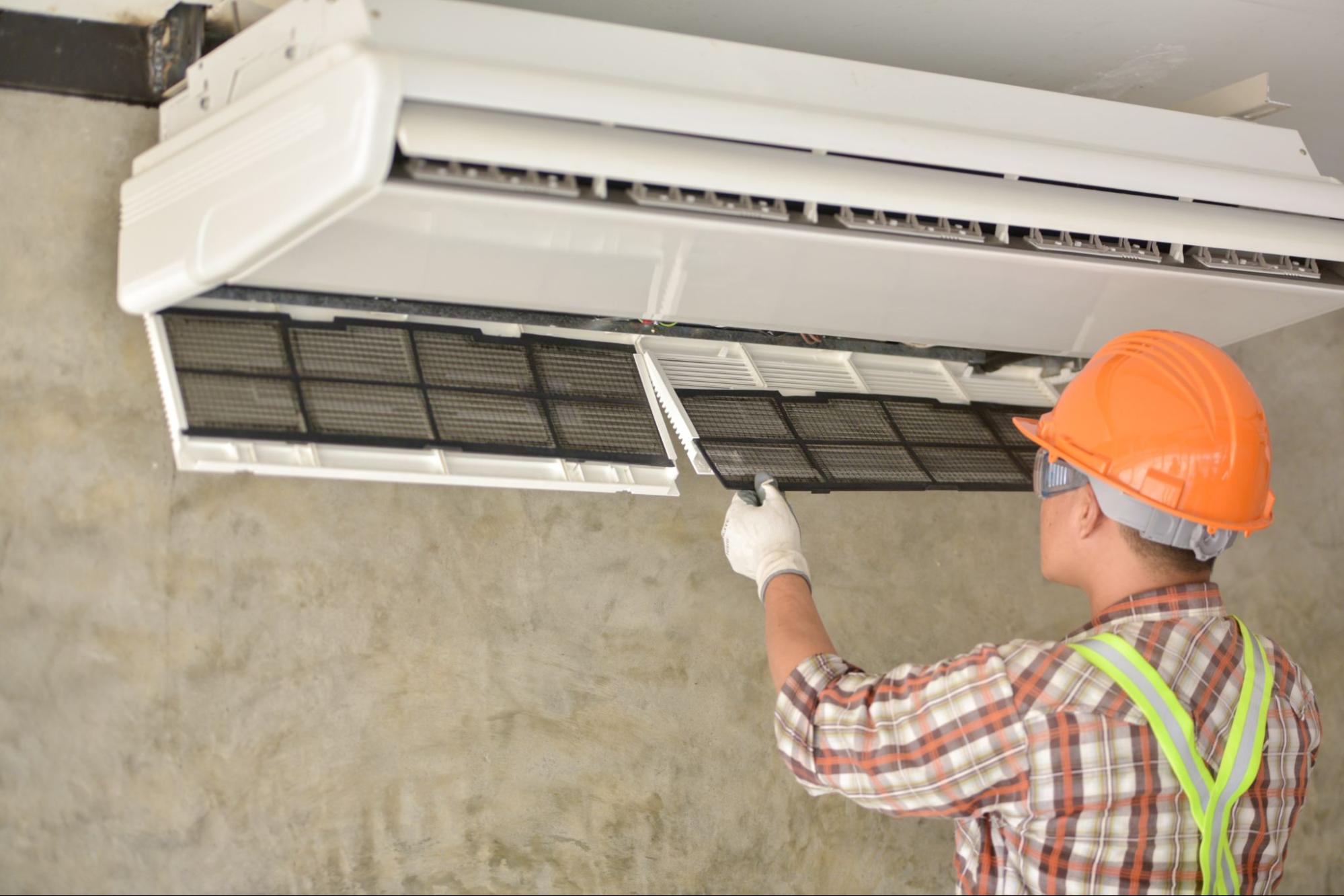
A technician installs a ductless AC system.

Choosing between ductless air conditioning systems and central air can feel overwhelming, especially when you are trying to balance comfort, cost, and long-term value. Both systems are designed to keep your home or business cool, but they do it in very different ways. The right choice depends on your layout, whether you already have ductwork, and how much control you want over individual rooms. Understanding what sets these systems apart helps you avoid overspending on features you do not need or undersizing a system that will struggle in extreme weather. With a clear comparison, you can make a decision that fits your space today and still makes sense years from now.

Understanding Ductless AC And Central Air System Basics

At the simplest level, both ductless AC and central air move heat out of your indoor spaces and release it outside, but the equipment setup is quite different. Central air uses a single outdoor unit connected to an indoor coil and a network of ducts that distribute cooled air through vents in each room. Ductless systems, also known as mini-splits, pair one outdoor unit with one or more indoor wall-mounted or ceiling cassettes, each serving a specific zone without ducts. This difference in design affects how the system is installed, how flexible it is for unique floor plans, and how easily it can be added to spaces like additions or converted garages. Knowing how each system works gives you a more realistic idea of what it will look and feel like once it is operating in your home.

Where Ductless AC Fits Best Compared To Central Air

Ductless AC shines in spaces where adding or extending ductwork would be difficult, messy, or too expensive. It is a popular choice for older homes without existing ducts, room additions, finished basements, sunrooms, or areas that never seem to stay comfortable with your main system alone. In contrast, central air is often the go-to option when you already have a ducted heating system and want whole-home cooling with minimal visible equipment inside each room. If you are starting from scratch, your contractor will look at your layout, insulation, and long-term plans to help you decide whether building or expanding ductwork makes sense.

Additions And Hard-To-Reach Rooms

When you add a new room or convert a garage, it is not always practical to tie that area into your existing ducts. A ductless unit can serve that space independently while leaving your current system unchanged.

Integrated Whole-Home Cooling

If your home already has well-designed ducts, central air can deliver even cooling to every room from a single system. This option often blends more seamlessly with existing heating equipment and controls.

Energy Efficiency Considerations With Ductless AC And Central Air

Energy efficiency is one of the biggest reasons many homeowners take a closer look at ductless AC. Because it delivers conditioned air directly into each zone without ducts, there are no losses from leaks or poorly insulated runs hidden in attics or crawlspaces. Individual indoor units can also be turned up or down depending on how often you use a room, which helps avoid cooling empty spaces. Central air can be very efficient as well, especially when paired with modern equipment and well-sealed ducts, but it typically cools the entire home based on a single thermostat. Choosing the more efficient option for your situation can reduce monthly bills and lessen the strain on your local power grid during peak summer demand.

Comfort And Control With Ductless AC vs Central Air

Comfort is about more than just hitting a target temperature; it is also about how consistent that temperature feels throughout your day. Ductless AC offers strong room-by-room control, allowing you to set different temperatures for bedrooms, living areas, and home offices. This zoning capability is ideal for households with varied schedules or preferences, helping to reduce arguments over thermostat settings. Central air systems typically rely on a single thermostat that controls the temperature for the entire home, which can be less precise in multi-story layouts or homes with large windows and varying sun exposure.

Zoned Cooling For Personalized Comfort

Each ductless indoor unit has its own controls, which means you can keep one room cooler for sleep while keeping other areas slightly warmer. This targeted approach can make your home feel more comfortable without overworking the system.

Whole-Home Consistency With Central Air

Central air is designed to deliver uniform comfort across the entire home through balanced ductwork. When the system is sized correctly and the ducts are well designed, it can minimize hot and cold spots from room to room.

Installation And Renovation Flexibility With Ductless AC Systems

Installation is another area where ductless AC and central air differ dramatically. Adding a ductless system usually involves running small refrigerant lines through a wall to connect the outdoor unit to one or more indoor units, which keeps construction disruption to a minimum. This is a significant advantage in finished spaces where you do not want to tear open walls or ceilings to add new ducts. Central air installation can be more involved if ductwork must be added or redesigned, especially in older homes that were never built with ducts in mind. However, if your ducts are already in good condition, replacing or upgrading a central air unit can be relatively straightforward and cost-effective.

Minimal Construction For Ductless AC Upgrades

Because ductless systems do not require large ducts, installers can often complete projects with only small wall openings. This keeps mess, noise, and disruption to your daily life lower than many major renovations.

Leveraging Existing Ductwork For Central Air

If your home has a solid duct network in place, installing a new central air unit can be a logical upgrade. It lets you modernize your cooling system without rethinking how air moves through the house.

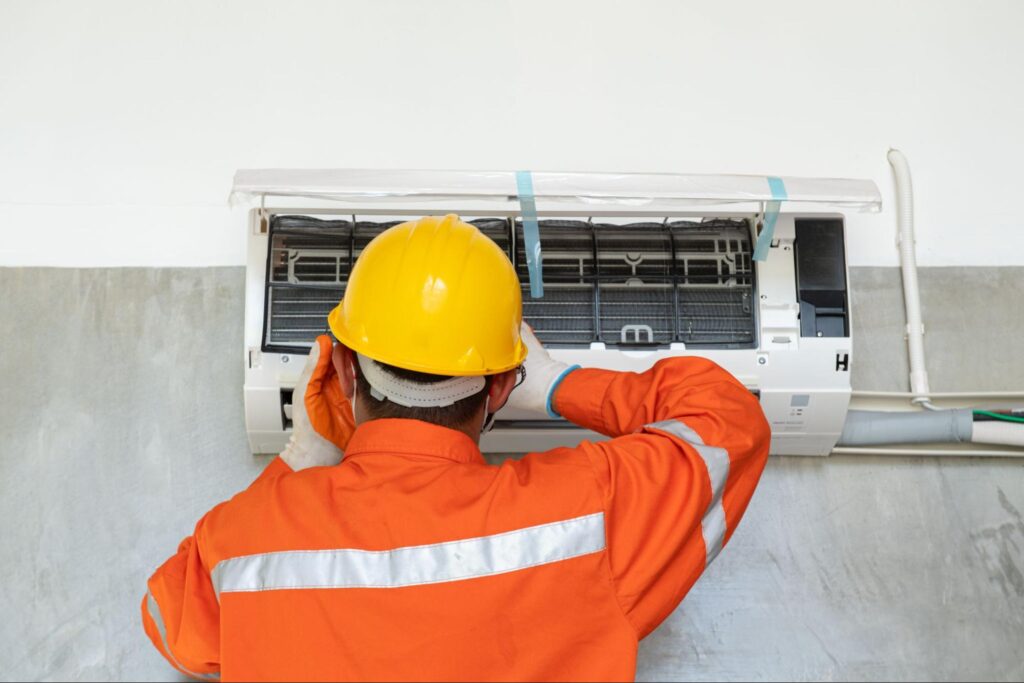
An HVAC professional services a ductless ac unit.

Budgeting For Ductless AC vs Central Air Over The Long Term

Upfront cost and long-term value should both be part of your decision when comparing ductless AC and central air. Ductless systems may cost more per zone than a single central unit, but they can be more affordable than building new ducts, especially in homes with complex layouts. Their zoned efficiency can also translate into lower utility costs if you regularly adjust temperatures based on which rooms you use. Central air may offer a lower cost per square foot when serving an entire home, particularly if ducts already exist, but it can be less flexible and efficient if you often cool unoccupied areas. Looking at equipment pricing, installation complexity, available rebates, and expected energy use together will give you a clearer picture of the actual cost over time.

Comparing Upfront And Ongoing Expenses

A ductless system might have a higher price tag for each indoor unit, yet save money by avoiding ductwork projects. Central air can seem cheaper at first, but it may cost more to run if your home is not zoned efficiently.

Factoring In Maintenance And Lifespan

Both system types benefit from regular maintenance, which helps extend their life and keep efficiency high. Planning for tune-ups and potential repairs now can prevent surprises later in the system’s lifespan.

Deciding If Ductless AC Is The Right Choice For Your Space

In the end, the choice between ductless AC and central air comes down to the specific needs of your space and household. If you value room-by-room control, minimal construction, and targeted comfort for additions or tricky layouts, a ductless option may be the better fit. If your home already has ducts in good condition and you want whole-home cooling from a single system, central air can still be an excellent solution. Working with a trusted HVAC professional to size and design the system is the best way to avoid common pitfalls, such as uneven temperatures or oversized equipment. With the proper guidance, you can choose a cooling setup that keeps you comfortable now while supporting energy savings and home value in the years ahead.


Visit our Cantrell’s Heating & Air Conditioning blog to learn more about whether ductless AC is right for you.

C Installation vs. AC Replacement: What’s the Difference?
11Dec

C Installation vs. AC Replacement: What’s the Difference?

AC Installation vs. AC Replacement: What’s the Difference? BrandRep 2:45 pm no comments…
Why Air Conditioning Installation Is One of the Best Investments for Home Comfort

Why Air Conditioning Installation Is One of the Best Investments for Home Comfort…
Ductless AC vs. Central Air: Which System Is Right for Your Space?
03Dec

Ductless AC vs. Central Air: Which System Is Right for Your Space?

Ductless AC vs. Central Air: Which System Is Right for Your Space? BrandRep…